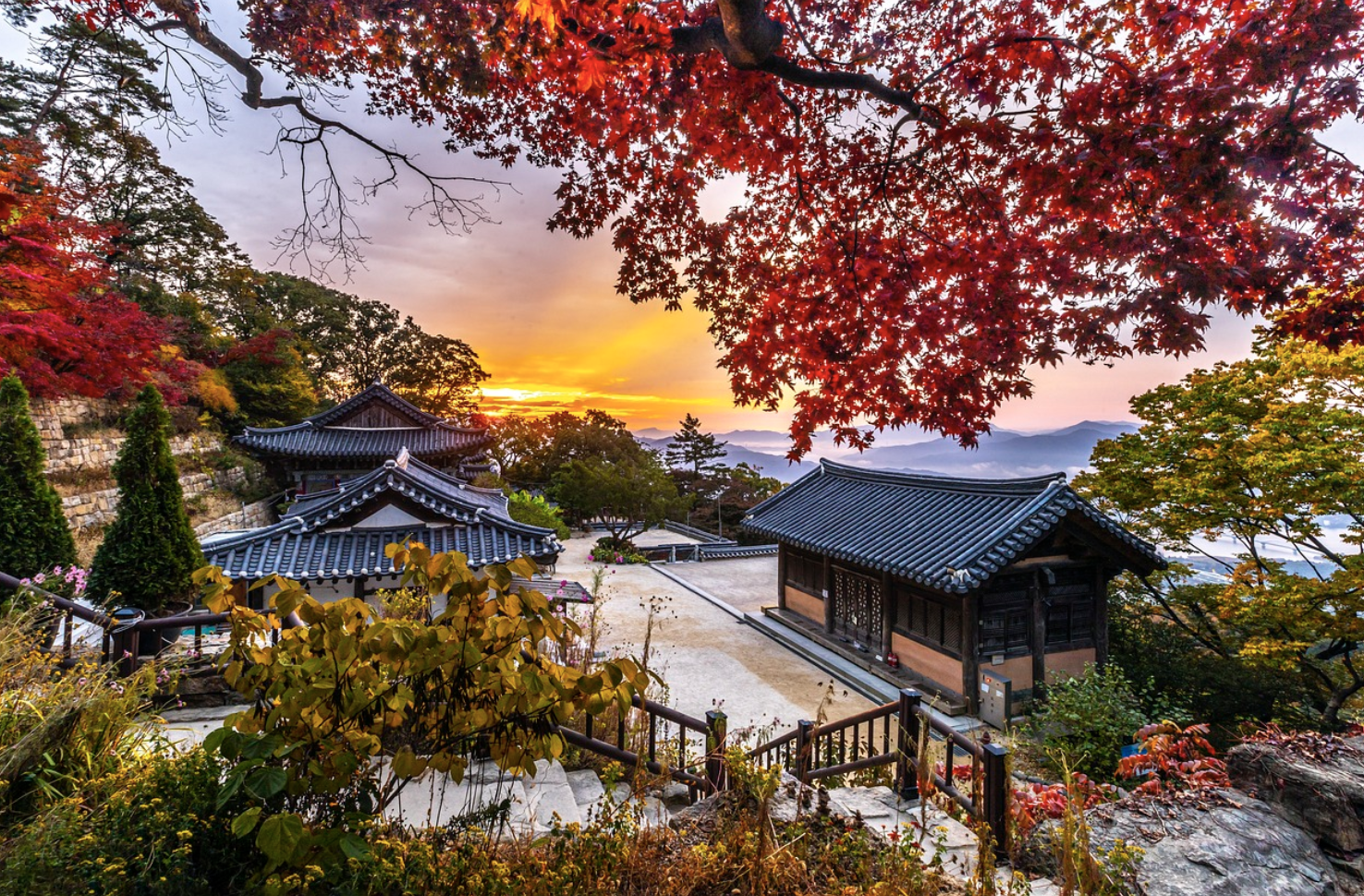
For many first-time visitors, Jeonju Hanok Village is worth visiting when you want hanok atmosphere, food, and a compact cultural stop.
It is not the biggest historic destination in Korea, and it is not the best answer for every short itinerary. Jeonju works best when you understand its role: a traditional-feeling neighborhood, an easy food-and-walking rhythm, and the option to stay overnight without building a complicated heritage route.
Quick Answer: Is Jeonju Hanok Village Worth Visiting?
Yes — Jeonju Hanok Village is worth visiting if you want a slower cultural stop built around traditional streets and food.
It is a good fit if you want:
- a walkable hanok village experience
- a food-focused stop beyond Seoul
- one atmospheric overnight
- a traditional-feeling contrast to Seoul or Busan
- a destination that is easy to understand quickly
It is a weaker fit if:
- your Korea trip is already rushed
- you mainly want major ancient-history sightseeing
- you dislike adding intercity transfers
- you expect Jeonju to replace Gyeongju’s heritage depth
If your wider route is still unclear, compare 7-Day Korea Itinerary for First-Time Visitors: Seoul and Busan Without Overplanning with 7-Day Korea Itinerary for First-Time Visitors: Seoul, Busan, and Gyeongju.
What Jeonju Hanok Village Is Best For
Jeonju Hanok Village is best treated as an atmosphere-first cultural stop.
The value is not only in individual sights. The better version of the visit is built around:
- walking through hanok-lined lanes
- stopping for a proper meal or snack break
- noticing rooftops, courtyards, alleys, and small shops
- letting the area feel different from Korea’s larger cities
- staying long enough that it does not feel like a photo stop only
This is why Jeonju works well for travelers who want a traditional Korea moment without heavy planning. You arrive, enter the village area, and understand the appeal quickly.
The tradeoff is that Jeonju is not as broad as a larger historic destination. If you want ancient capital history, multiple major heritage areas, and a city that can justify deeper sightseeing, Gyeongju for First-Time Visitors is the stronger comparison point.
Who Should Add Jeonju to a Korea Itinerary
Jeonju is a strong addition when the route has enough space for a slower cultural branch.
It is especially good for:
- food-focused travelers
- couples who want a softer overnight stop
- solo travelers who prefer walkable exploration
- first-time visitors who want a hanok village beyond Seoul
- travelers who like atmosphere more than attraction-counting
Jeonju can also work when you already have Seoul and Busan planned and want one stop that feels more traditional without needing several full days.
If your interest is specifically hanok stays, read Hanok Stay Experience: A Night in Traditional Korean Houses before booking. A hanok-style stay can be memorable, but it is not the right comfort fit for everyone.
Who Should Skip Jeonju on a Short Trip
You should consider skipping Jeonju if adding it makes the route feel stretched.
This often happens when travelers try to include Seoul, Busan, Gyeongju, Jeonju, and several day trips in one short visit. The itinerary looks impressive, but the actual trip can become station transfers, luggage handling, and shallow stops.
Skip Jeonju if:
- you only have a few days in Korea
- Seoul itself is already rushed
- you are adding Jeonju only because it appears on lists
- you do not care much about food, hanok streets, or slow wandering
- you would be disappointed by a compact cultural district
A good Korea itinerary is not the one with the most cities. It is the one where each stop has enough time to make sense.
What to Prioritize in Jeonju Hanok Village
For a first visit, keep the plan simple.
Prioritize:
- the Hanok Village core
- one or two slow walking loops
- a proper meal or snack-focused food break
- a viewpoint or quieter lane if you want photos
- evening atmosphere if you are staying overnight
Avoid building the day around too many separate pins. The village works because the pieces are close together and the mood builds gradually. If you turn it into a checklist, the visit becomes less satisfying.
A useful first-time rhythm is to arrive, get oriented, walk the central lanes, take a real food break, leave time for unplanned shops or tea, and return in the evening if you are sleeping nearby.
Food and Slow-Walk Planning
Food is one of the main reasons travelers choose Jeonju, but the better planning question is how food fits into the day.
Do not schedule every hour around eating. Instead, think in terms of:
- one main meal
- one snack or dessert stop
- time to walk between them
- flexibility for lines, weather, and mood
This matters because Jeonju can become tiring if you snack constantly while also trying to cover every lane. A better visit feels relaxed: eat well, walk slowly, and avoid turning the day into a crowded food mission.
If you stay overnight, the evening meal may be more valuable than trying to squeeze everything into the middle of the day.
Day Trip vs Overnight: The Basic Decision
The simplest rule is this: Jeonju can work as a day trip, but it usually feels better as an overnight if atmosphere matters.
A day trip can make sense if:
- your itinerary is tight
- you only want a sample of the Hanok Village
- you accept a compressed pace
- you do not mind missing the slower evening feel
An overnight is better if:
- you want the village to feel calm, not rushed
- you are interested in a hanok-style stay
- food and evening atmosphere are part of the appeal
- you want Jeonju to feel like a real chapter of the trip
For many travelers, one night is enough. It gives Jeonju a beginning, evening, and morning instead of reducing it to a middle-of-day visit.
Where to Stay: Hanok Village vs City Center
At a high level, first-time visitors choose between two base styles.
Hanok Village or nearby is best when atmosphere is the priority. It gives you easier access to the lanes, a stronger sense of place, and the best chance of enjoying the area before or after peak daytime crowds.
City center or a modern base can be better when comfort and logistics matter more. It may suit travelers who prefer modern hotels, easier luggage handling, predictable facilities, or a less atmospheric but practical stay.
Neither answer is automatically better. The right choice depends on whether Jeonju is meant to be an emotional atmosphere stop or a convenient short visit.
If you are considering a traditional-style room, compare expectations with Hanok Stay Experience: A Night in Traditional Korean Houses.
Jeonju vs Gyeongju: The Simple Difference
The easiest way to separate the two is this:
Choose Jeonju for hanok village atmosphere, food, and a compact cultural stop.
Choose Gyeongju for deeper ancient-history sightseeing and a broader heritage trip.
Jeonju feels easier and more concentrated. Gyeongju has more historic weight and usually deserves more deliberate planning.
If Gyeongju is already on your route, read Gyeongju for First-Time Visitors and Is a Hanok Stay in Gyeongju Worth It? before deciding whether Jeonju adds something distinct.
Common Planning Mistakes
1. Treating Jeonju as mandatory
Jeonju is worthwhile for the right traveler, but it is not required for every first trip.
2. Expecting Gyeongju-level heritage depth
Jeonju is compact and atmosphere-led. Gyeongju is stronger for deeper historic sightseeing.
3. Booking a hanok stay only for photos
A hanok-style stay can be a highlight, but only if the room style fits your comfort expectations.
4. Overplanning the village
Too many pins can make the visit feel less charming, not more complete.
Final Recommendation
Jeonju Hanok Village is worth visiting if you want a compact, food-friendly, traditional-feeling stop that adds atmosphere to your Korea itinerary.
It is strongest as a one-night cultural pause, especially for travelers who want hanok streets, a slower pace, and a clear contrast to Seoul or Busan.
It is less convincing when the route is already crowded or when you really want the deeper historic scale of Gyeongju.
Add Jeonju when it improves the shape of the trip. Skip it when it only adds another transfer.
Related Guides
- Hanok Stay Experience: A Night in Traditional Korean Houses
- Gyeongju for First-Time Visitors: Best Things to Do, Where to Stay, and How Many Days You Need
- Is a Hanok Stay in Gyeongju Worth It? Pros, Cons, and Who Should Book One
- 7-Day Korea Itinerary for First-Time Visitors: Seoul and Busan Without Overplanning
- 7-Day Korea Itinerary for First-Time Visitors: Seoul, Busan, and Gyeongju
- Bukchon Hanok Village: Walk Through Tradition and Relive Goblin Moments
- Gyeongju vs Jeonju: Which Historic Korea City Is Better for Your Trip?
- Seoul to Jeonju: Day Trip or Overnight for First-Time Visitors?
- 1-Day Jeonju Itinerary for First-Time Visitors: Hanok Village, Food, and What to Skip
- Where to Stay in Jeonju for First-Time Visitors: Hanok Village vs City Center
- How Many Days in Jeonju Do You Need? A Practical 1-Day, Overnight, and 2-Day Guide
- 2-Day Jeonju Itinerary for First-Time Visitors: Hanok Village, Food, and a Slower Overnight Plan
- Where to Stay in Jeonju for Couples: Best Areas for Atmosphere, Comfort, and an Easy First Trip
- Jeonju Hanok Village vs City Center: Where Should First-Time Visitors Stay?
- Jeonju Food Itinerary for First-Time Visitors: What to Eat and How to Plan the Day
- Seoul, Busan, Gyeongju, and Jeonju Itinerary: How to Connect Korea’s Best First-Trip Cities
- Should You Visit Both Gyeongju and Jeonju?
- 10-Day Korea Itinerary: Seoul, Busan, Gyeongju, and Jeonju
- Where to Stay in Jeonju for Families
FAQ
Is Jeonju Hanok Village worth visiting?
Yes, if you want hanok atmosphere, food, and a compact cultural stop. It is less essential if your Korea itinerary is already too short or too crowded.
Is one day enough for Jeonju Hanok Village?
One day is enough for a selective first visit, especially if you focus on the village core and food. An overnight is better if you want evening atmosphere.
Should I stay overnight in Jeonju?
Stay overnight if Jeonju is meant to be a memorable cultural stop rather than a quick photo visit. One night is usually enough for most first-time travelers.
Is Jeonju better than Gyeongju?
Not exactly. Jeonju is better for hanok village atmosphere and food, while Gyeongju is better for deeper ancient-history sightseeing.
Is Jeonju Hanok Village similar to Bukchon in Seoul?
Both offer hanok atmosphere, but the trip feel is different. Bukchon is easier inside Seoul, while Jeonju works better as a dedicated food and cultural stop.