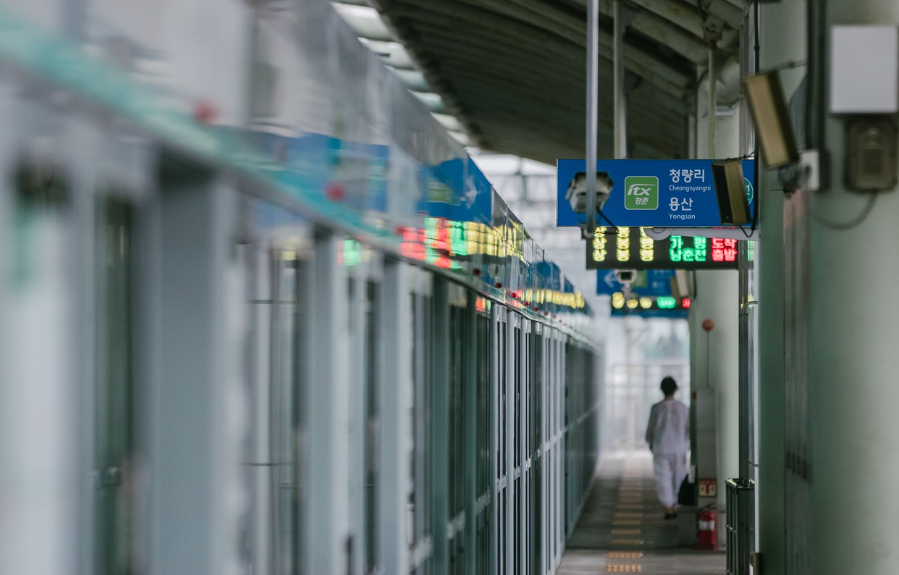
If you are visiting Seoul for the first time, the subway will probably become one of the most useful parts of your trip.
It is fast, extensive, and usually more predictable than road traffic. But many travelers discover the same thing after their first few rides: understanding the map is only half the job.
The other half is knowing how to move through stations, board trains, handle your bags, and avoid creating friction in a crowded system.
That is why the best Seoul subway advice is not just “download a map app.” It is this:
- use a transport card
- let passengers get off first
- keep your bag from blocking people
- respect priority seating
- follow the flow of the station instead of fighting it
If you do those things well, the Seoul subway becomes much easier.
The short answer
If you want the fastest practical advice, remember these five rules:
- Use a transport card instead of buying single-use tickets whenever possible.
- Stand aside and let people get off before you board.
- Wear your backpack in front or lower it when trains are crowded.
- Treat priority seating carefully and respectfully.
- Use apps and signs together, but also pay attention to how people move around you.
These habits matter because Seoul’s subway is efficient partly because people follow basic flow rules.
Why the Seoul subway is still the best way to get around
According to VISITKOREA, Seoul subway operates not only across the city but also connects to surrounding areas such as Incheon and Gyeonggi-do. It is one of the most useful systems a traveler can use in Korea.
VISITKOREA also notes that when you use a transportation card such as T-money, you can transfer to city buses for free in many normal situations, which makes the subway even more practical as part of a wider route.
So for most first-time visitors staying in Seoul, the subway is still the default transport backbone.
What turns it from “usable” into “easy” is behavior.
Practical tip #1: use a transport card, not single-use tickets, when possible
This is the first efficiency decision.
VISITKOREA explains that transportation cards are easier than single-use tickets and usually more practical for repeat use. That matches real travel behavior.
A transport card helps because:
- it reduces time at ticket machines
- it makes transfers easier
- it fits naturally with subway + bus combinations
- it reduces stress when you are moving quickly between stations
For most visitors, the subway feels smoother the moment you stop thinking about buying a separate ticket each ride.
This is especially true on a busy day when you are transferring, rushing, or exiting through unfamiliar gates.
Practical tip #2: let passengers get off before boarding
This is one of the clearest Seoul subway etiquette rules.
Visit Seoul’s public transport etiquette guidance specifically emphasizes that passengers should let others get off first before boarding.
This sounds obvious, but tired travelers often get it wrong when a train arrives and they are afraid of missing it.
The better habit is:
- wait to the side of the doors
- let exiting passengers clear the space
- board after the flow opens
If you stand directly in front of the doors too early, you slow everyone down and create unnecessary pressure in a crowded carriage.
In Seoul, smooth boarding is part of respectful riding.
Practical tip #3: keep your backpack and luggage from blocking space
This matters more than many tourists realize.
Visit Seoul’s etiquette article specifically recommends wearing large backpacks in front in crowded public transport situations. The reason is simple: a large backpack behind you takes up more space than you think and can easily bump or squeeze other people.
Better bag behavior on the subway
- wear a backpack in front when trains are crowded
- hold smaller bags closer to your body
- keep rolling luggage from drifting into door areas
- avoid stopping with a large bag in narrow transfer corridors
This is especially important near:
- platform doors
- escalator exits
- transfer hallways
- rush-hour train entrances
The subway becomes much easier when you treat your luggage as part of the crowd flow, not separate from it.
Practical tip #4: understand priority seating culture
Priority seating is one of the most visible etiquette differences many travelers notice.
Visit Seoul explains that Korea’s public transport priority seats are meant not only for elderly passengers, but also for people with disabilities, pregnant women, people with infants, children, and patients. It also notes that some seats are specifically reserved for pregnant women.
The safest traveler mindset is simple:
do not treat priority seats as just another convenient open seat.
Even if nobody is using them at a given second, many visitors prefer to avoid them unless clearly necessary.
At minimum, you should understand that these seats carry stronger expectations than ordinary seating.
Practical tip #5: be careful with food, drinks, and crowded-time behavior
Visit Seoul’s etiquette guidance also warns against carrying spill-prone drinks carelessly on public transportation.
The broader lesson for the subway is not just “don’t spill coffee.” It is this:
avoid being the person who adds mess, smell, or obstruction to a crowded shared space.
That means:
- do not wave drinks around in packed areas
- avoid strongly messy food in crowded stations or trains
- do not stop suddenly at gate exits
- step away from escalator landings before checking your phone
Many subway mistakes are not “rude” because the traveler is malicious. They are rude because the traveler forgets that crowded systems depend on constant movement.
Practical tip #6: use apps, signs, and line colors together
A common tourist mistake is depending on only one information source.
Seoul’s subway is easier when you combine:
- route apps
- station signs
- line numbers and colors
- directional platform information
VISITKOREA points travelers toward Seoul Metro resources and notes that detailed subway guides are available, including English support. That means you are not expected to guess everything.
But you still need one good habit:
check direction before boarding, not after the doors close.
That simple pause prevents many avoidable mistakes.
Best subway habits for first-time visitors
If you want to move more smoothly from your very first ride, build these habits early.
Charge your transport card before it becomes urgent
Do not wait until you are already in a rush.
Know your station exit if possible
Seoul stations can be large. The right exit can save time and unnecessary walking.
Avoid peak crowding when you can
If your timing is flexible, traveling a little earlier or later can reduce stress.
Follow platform and escalator flow
Watch how people around you move. In busy systems, observation helps almost as much as instructions.
Keep your destination visible in Korean or English
This helps if you need to confirm the stop, ask for help, or check route apps quickly.
Common tourist mistakes on the Seoul subway
Here are the mistakes that cause the most unnecessary stress.
Standing directly in front of the doors
This blocks exiting passengers and slows everyone down.
Boarding too aggressively
If you rush in before others exit, the whole boarding flow gets worse.
Wearing a large backpack behind you in packed spaces
You often hit or crowd people without noticing.
Treating priority seats casually
Even when nobody says anything, this can make you look unaware of local expectations.
Relying on one static screenshot for the whole day
Live route checks are often safer, especially if you are tired or transferring.
Freezing in the middle of a busy walkway
When confused, step to the side first. Then check your phone or map.
That one habit alone makes you a much easier rider to share space with.
My recommendation for most travelers
For most first-time visitors, the Seoul subway is still the best way to move around the city.
But the travelers who have the smoothest experience are not the ones who memorize the most line names. They are the ones who combine:
- a transport card
- basic route awareness
- calm boarding behavior
- respect for shared space
That is the real formula.
So if you want one simple rule to remember, use this:
Ride the Seoul subway like a system shared with millions of people, not like a private shortcut.
If you do that, the system starts helping you instead of overwhelming you.
Final takeaway
The Seoul subway is one of the easiest big-city transit systems to use once you understand both the map and the etiquette.
For first-time travelers, the most important habits are:
- use a transport card
- let people off first
- keep bags under control
- respect priority seating
- pay attention to station flow, not just your phone screen
Those habits will make your Seoul trip faster, smoother, and more respectful from the very first ride.
Official sources to verify before publishing
- VISITKOREA Subway guide
- Visit Seoul public transportation etiquette article
- Seoul Metro resources if deeper operational details are added later
Planned internal links
- Seoul Climate Card for Tourists in 2026: Is It Better Than T-money?
- Incheon Airport to Seoul in 2026: AREX, Airport Bus, Taxi, and Late-Night Options
- Best Transportation Apps for Korea Travel: Maps, Subway, Bus, and Taxi
- Where to Stay in Seoul for First-Time Visitors: Myeongdong vs Hongdae vs Gangnam vs Jamsil